Working in palliative care brings constant reminders of the deeply human aspects of health, care and connection. When this work intersects with multicultural and multifaith communities, it becomes both more complex and, I believe, more profound. It requires not only clinical or service knowledge, but also humility, patience, and a willingness to listen in ways that go beyond words.
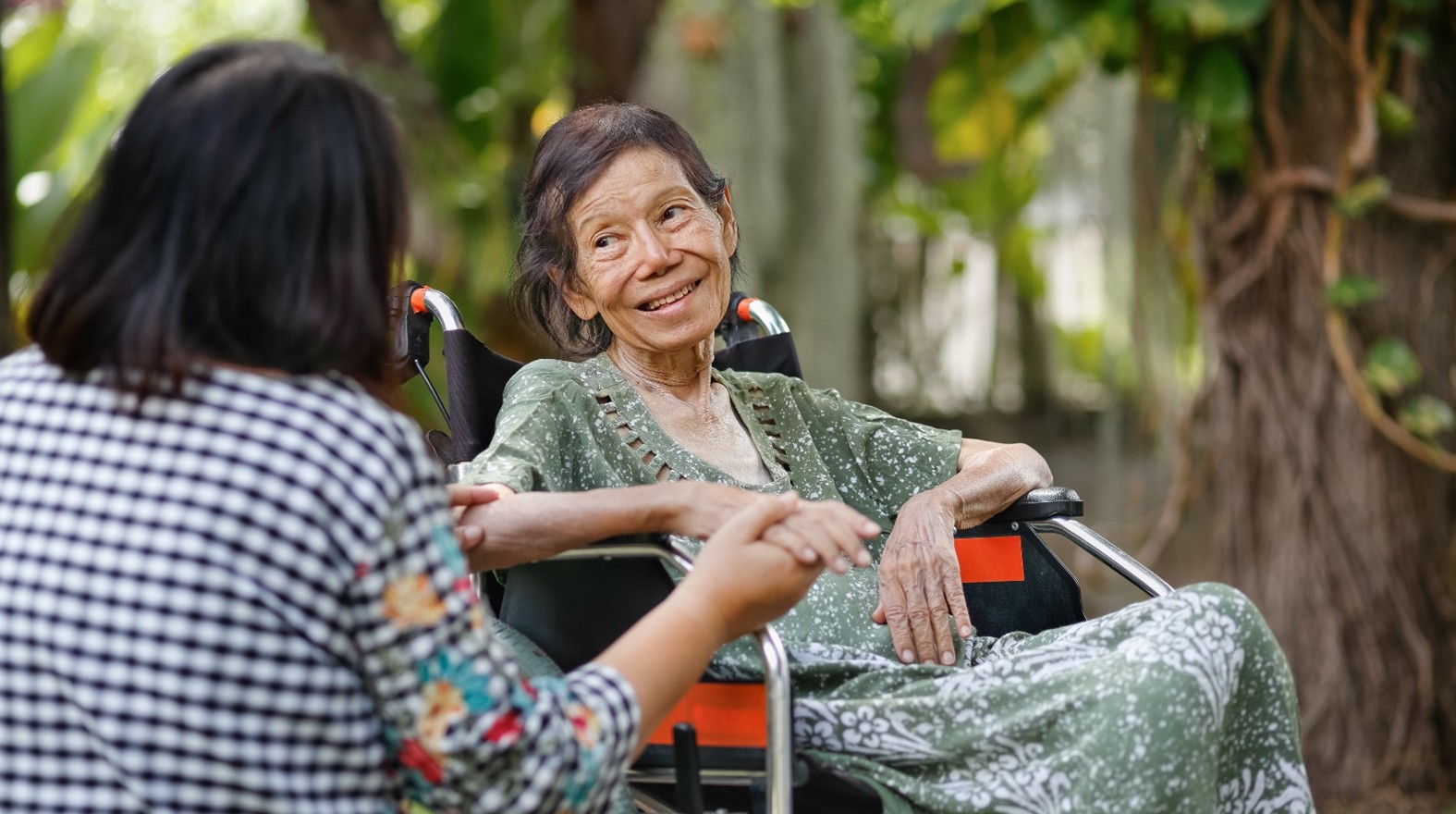
One key reflection is how differently palliative care is understood across cultures. Concepts such as comfort‑focused care, advance care planning, and end‑of‑life conversations are not universal. In some communities, talking about death is considered taboo or even harmful, while in others, decision‑making is collective rather than individual. This challenges Western models of health that emphasise autonomy and early planning and can create tension between services and families. Navigating this space requires sensitivity and an acceptance that “best practice” sometimes needs to be adapted rather than applied rigidly.
Another reflection relates to how power and systems shape access to palliative care for multicultural and multifaith communities. Many people are navigating grief, migration stress, trauma, or intergenerational expectations alongside serious illness. Health and social care systems can feel overwhelming, fragmented, and culturally unsafe. As a worker, I am constantly reminded that outreach, advocacy, and relationship‑building are not “extras” but essential components of equitable care. Reaching multicultural and multifaith communities often means going beyond formal settings and meeting people where they already feel safe.
Emotionally, this work can be demanding but also deeply meaningful. Sitting with families’ distress, uncertainty, and protective instincts toward their loved one requires patience and self‑reflection. It has challenged my own assumptions about what “good planning” looks like and reinforced the importance of reflective practice and self‑awareness. Understanding my own cultural assumptions, and remaining open to learning, even when conversations are uncomfortable or uncertain, is critical to this work.
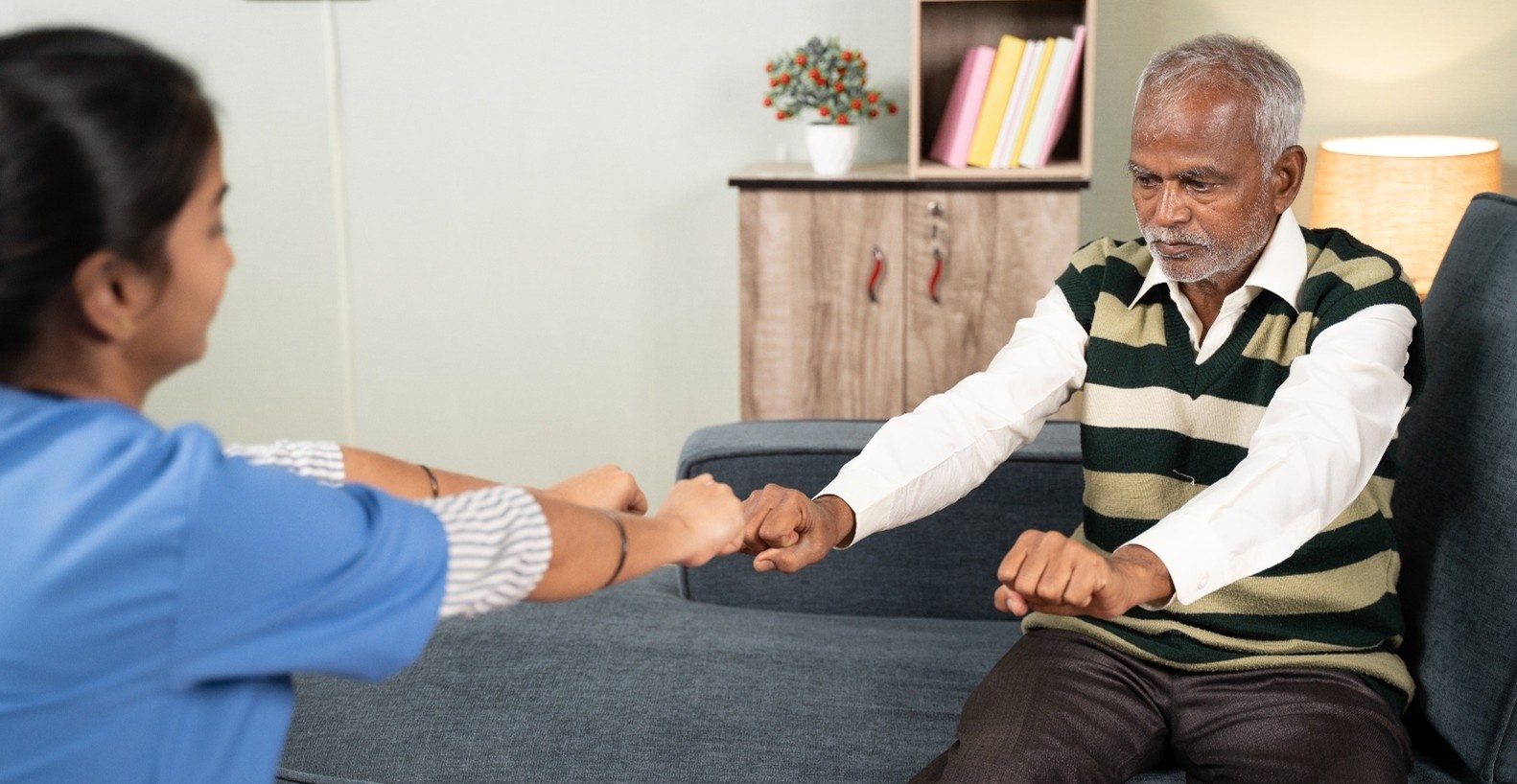
Working within a supportive team is fundamental to consistency in palliative care. At Mercy Health, I’m surrounded by colleagues that respond with compassion and uphold the dignity of all in our care through their service. We’re collectively committed to honouring each person’s life, culture, and story. Our mission and values are dedicated to providing equally excellent care for people of all faiths, identities and those who do not identify with any faith.
Ultimately, working in palliative care with multicultural and multifaith communities has strengthened my belief that ensuring the dignity of each person is promoted at the end of their life is inseparable from cultural respect. Progress is often measured not in formal milestones, but in trust, understanding, and small shifts in engagement. Each conversation and relationship contribute to more inclusive and compassionate care.
This work continues to remind me that palliative care is not just about dying well, but about ensuring people and families feel seen, heard, and supported in ways that honour their culture, faith, and lived experience.
Article written by:
Terri Soumilas
Community Engagement
Mercy Palliative Care