The acronym NAIDOC stands for National Aboriginal and Islanders Day Observance Committee. Looking at the history of NAIDOC, we need to understand its origin and how it became what is now.
AJ Williams-Tchen, (Wiradjuri / Wotjobulak,) Aboriginal Consultant with Palliative Care Victoria, is honoured to share the following information about NAIDOC Week.
The history of the ‘Day of Mourning’ started in 1938, which then marked the 150th anniversary of the arrival of the First Fleet and the colonisation of Australia It was celebrated on January 26 each year, held to draw attention to the poor treatment of Aboriginal people and entrenched racial discrimination. For nearly 20 years, the Day of Mourning involved marches and national discussions around First Nations issues, before becoming a whole week of recognition, rather than one day in 1991. For a detailed history of NAIDOC’s journey from early activism to a nationwide event, I recommended reading this up on the NAIDOC Website
NAIDOC Week celebrations are now held across Australia in the first week of July each year (Sunday to Sunday). This year it runs from 5 to 12 July 2026.
As we come towards NAIDOC Week 2026, it is important to reflect on this years theme: “50 Years of Deadly’. This year marks five decades of NAIDOC Week. 50 years deadly is both a statement and reflection.
In Aboriginal English, the word ‘Deadly’ has a positive meaning. It is term of high praise that translates to ‘awesome’, ‘great’, ‘excellent’, or ‘fantastic’
For me personally: ‘50 years of Deadly’ is a milestone in First Nations history. It highlights the pleas of Aboriginal voices and experiences that have called for ‘truth’, ‘treaty’, ‘reconciliation’,’cultural safety’, ‘respect for Elders’, ‘recognition of Country / Sea / Sky’, and ‘self- determination’ within this time: both in the past and now in the present.
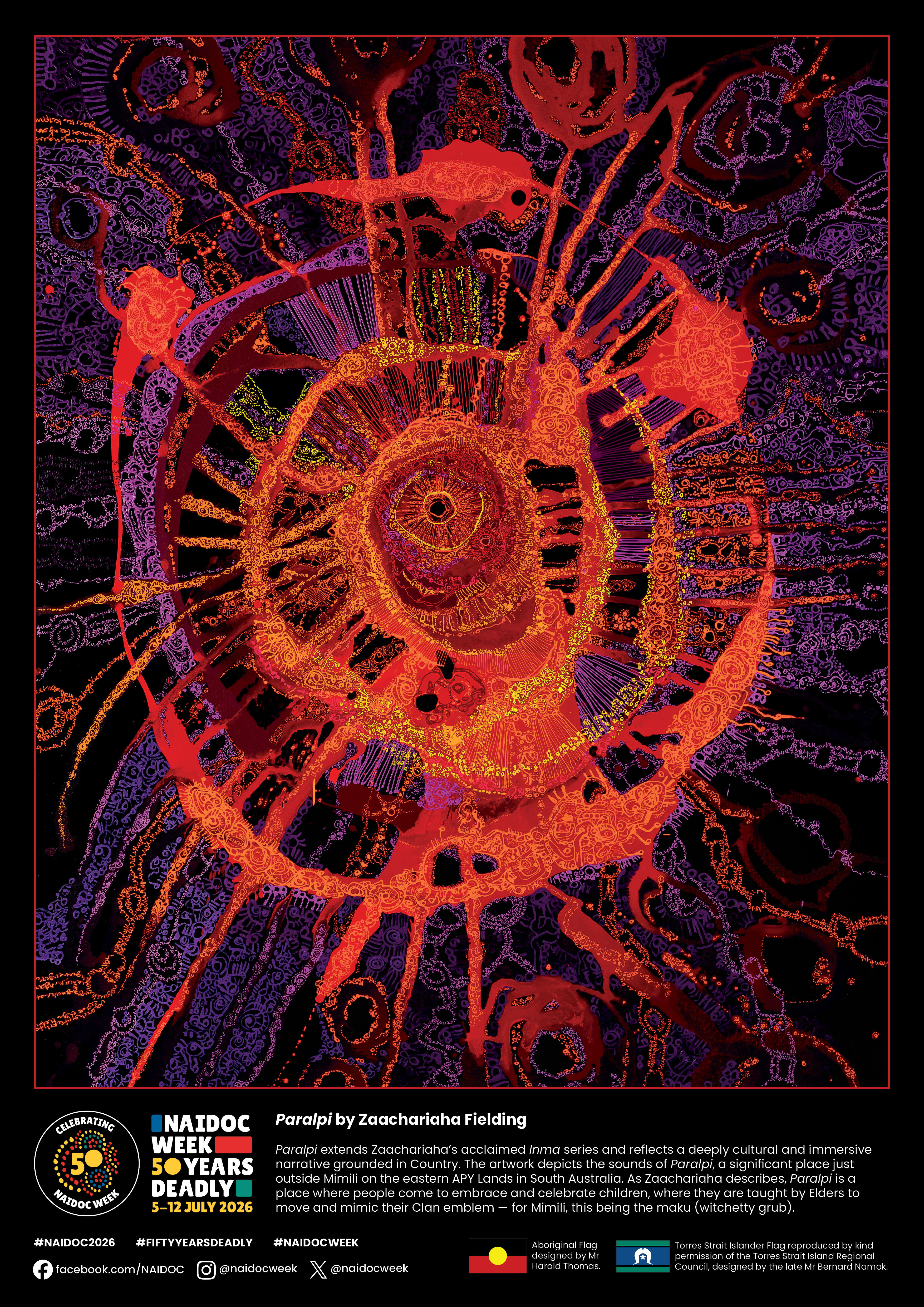
As we celebrate this years NAIDOC Week, take time to find out what NAIDOC events are happening around where you live, play and work. Take time to reflect on your own understandings of history, and recognize that Aboriginal and Torres Strait Islander people are still facing such disadvantages that need to be addressed systematically and individually. Participate and join in on the events: but always listen to the stories of First Nations people to understand their diversity and lived experience.
Have a deadly
50 Years Deadly
AJ Williams-Tchen (Wiradjuri / Wotjobulak)
BSW, MSW, AASW
Girraway Ganyi Consultancy
Podcaster: Yarninblak